Three generations · California made
Our Story
From Hollywood’s golden age to California’s Central Coast, three generations of the Fritch family have shaped sterling silver and gold into enduring pieces of Western history.
The apprenticeship
A North Dakota jeweler’s son in Hollywood.
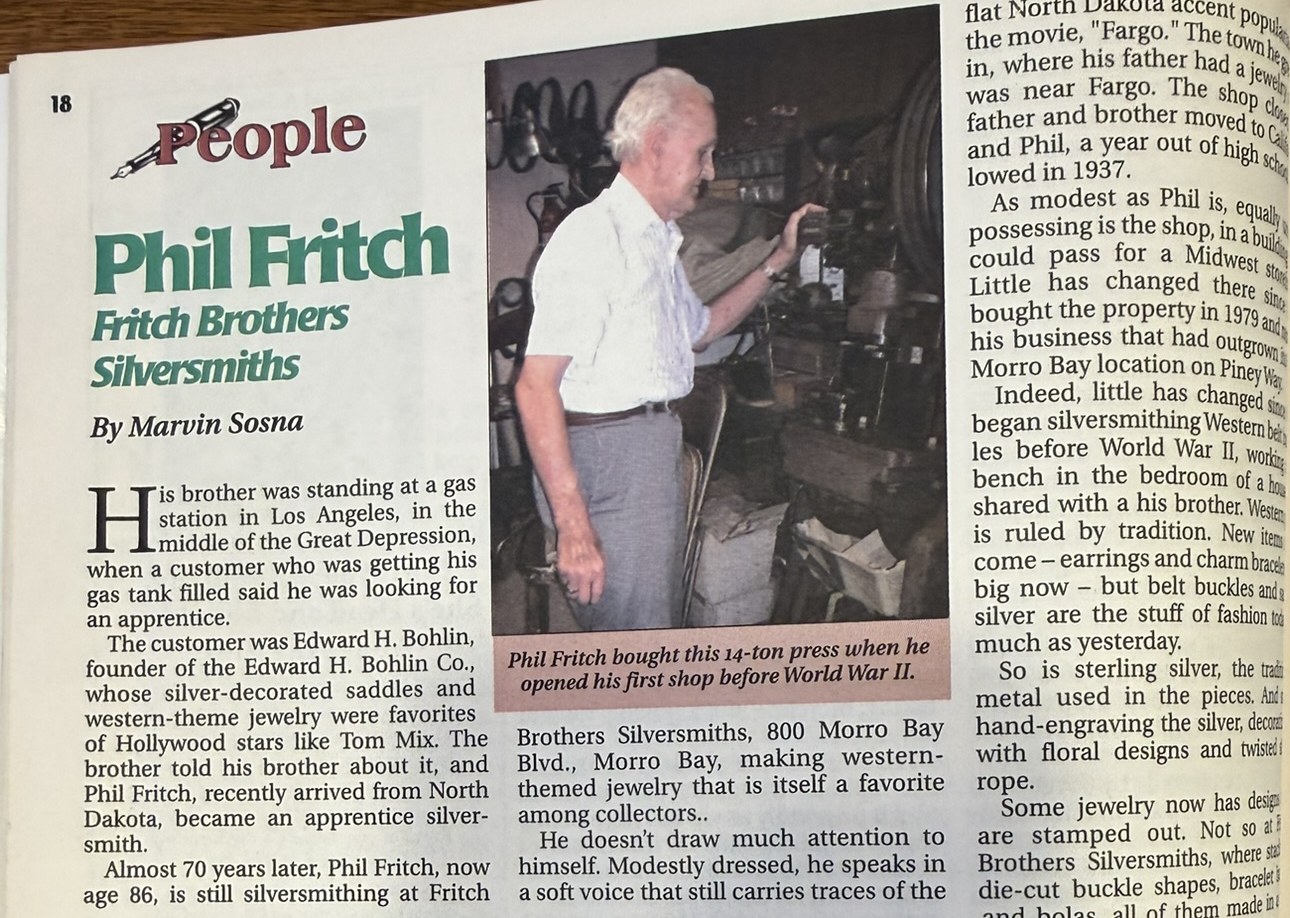
Phil Fritch grew up in North Dakota, where his father kept a jewelry shop near Fargo. When the shop closed during the Depression, his father and brother moved to California, and Phil followed in 1937, a year out of high school.
Through his brother he met Edward H. Bohlin, whose silver-decorated saddles and Western jewelry were favorites of Hollywood stars, and Phil became Bohlin’s apprentice silversmith. He started at the polishing wheel and learned the trade from the bench up.
The Hollywood beginnings
Established 1940
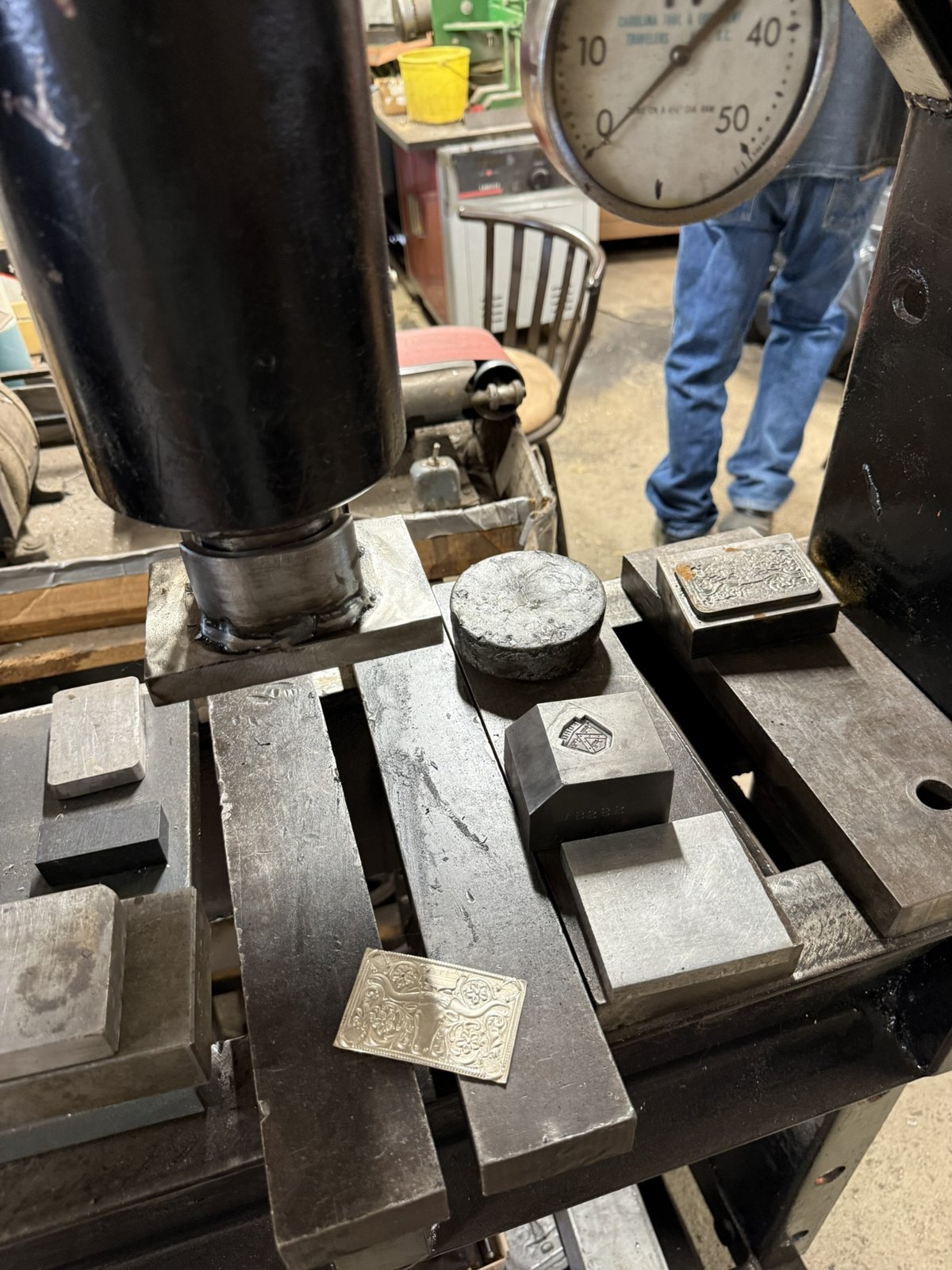
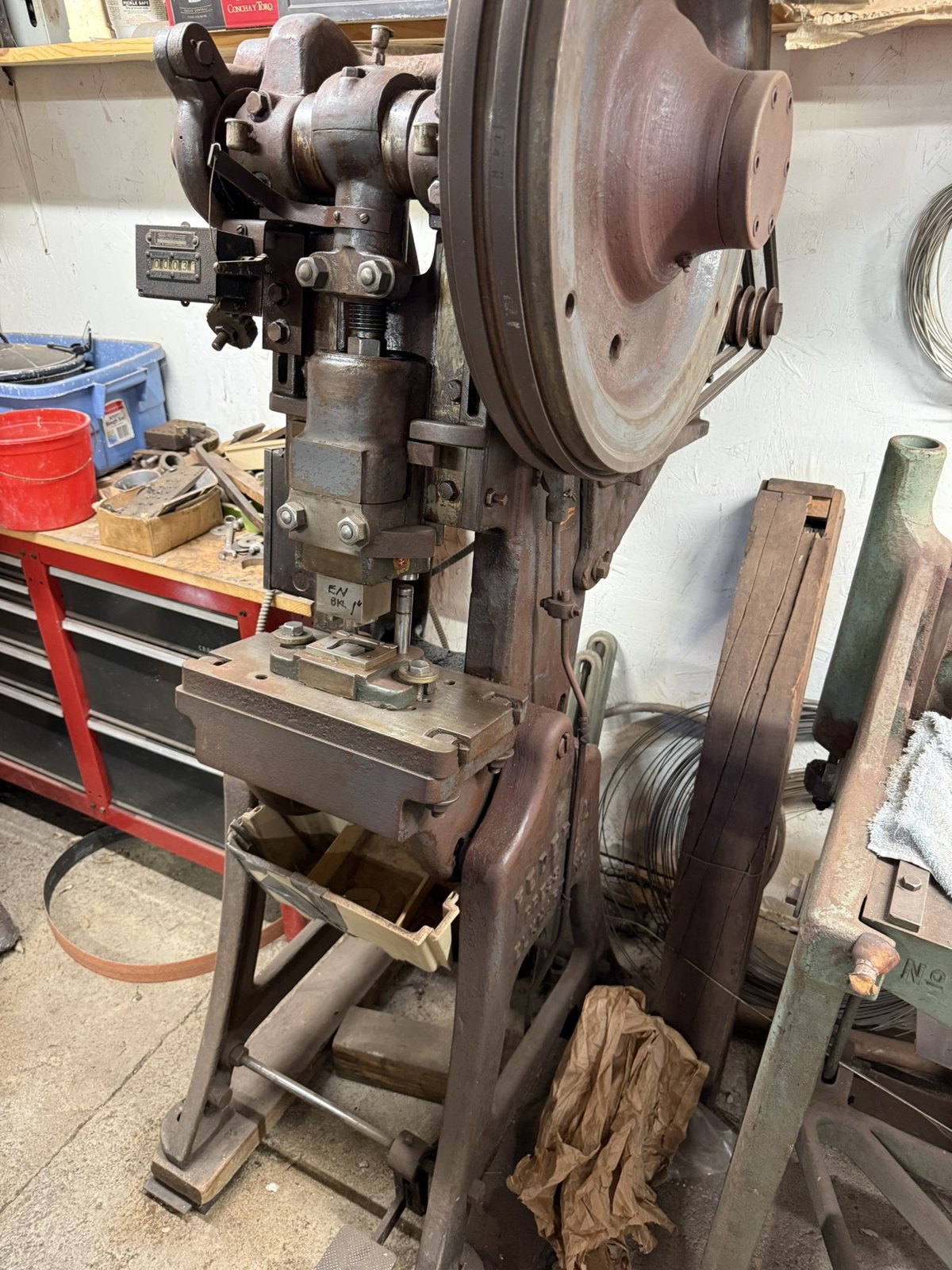
Philip W. Fritch founded Fritch Brothers Silversmiths on Beverly Boulevard in Hollywood, California, in 1940. Before the shop, he and his brother had made belt buckles on a bedroom workbench, and his brother carried them to merchants in Arizona. That growing clientele became the business. For the new shop Phil bought a 14-ton die press. Surrounded by the film industry’s defining vision of the American West, he mastered the highly specialized art of Handcrafting Sterling Silver and Gold pieces by hand.
Working in the same celebrated Hollywood Western tradition as makers such as Edward Bohlin, Fritch Brothers became known for intricately detailed silver made for movie stars, rodeo champions, and discerning ranchers.
–60s
A distinctive American aesthetic
Handcrafted from Sterling Silver and Gold one piece at a time.
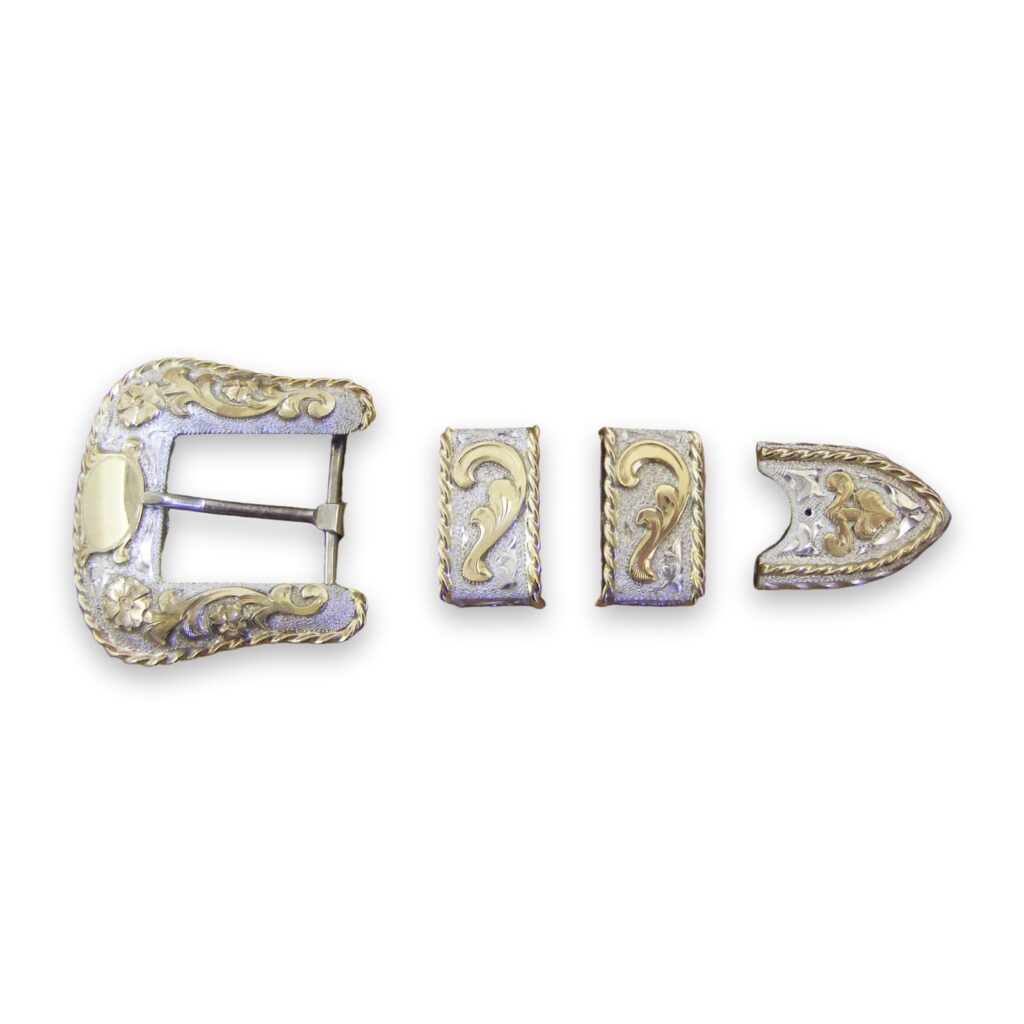
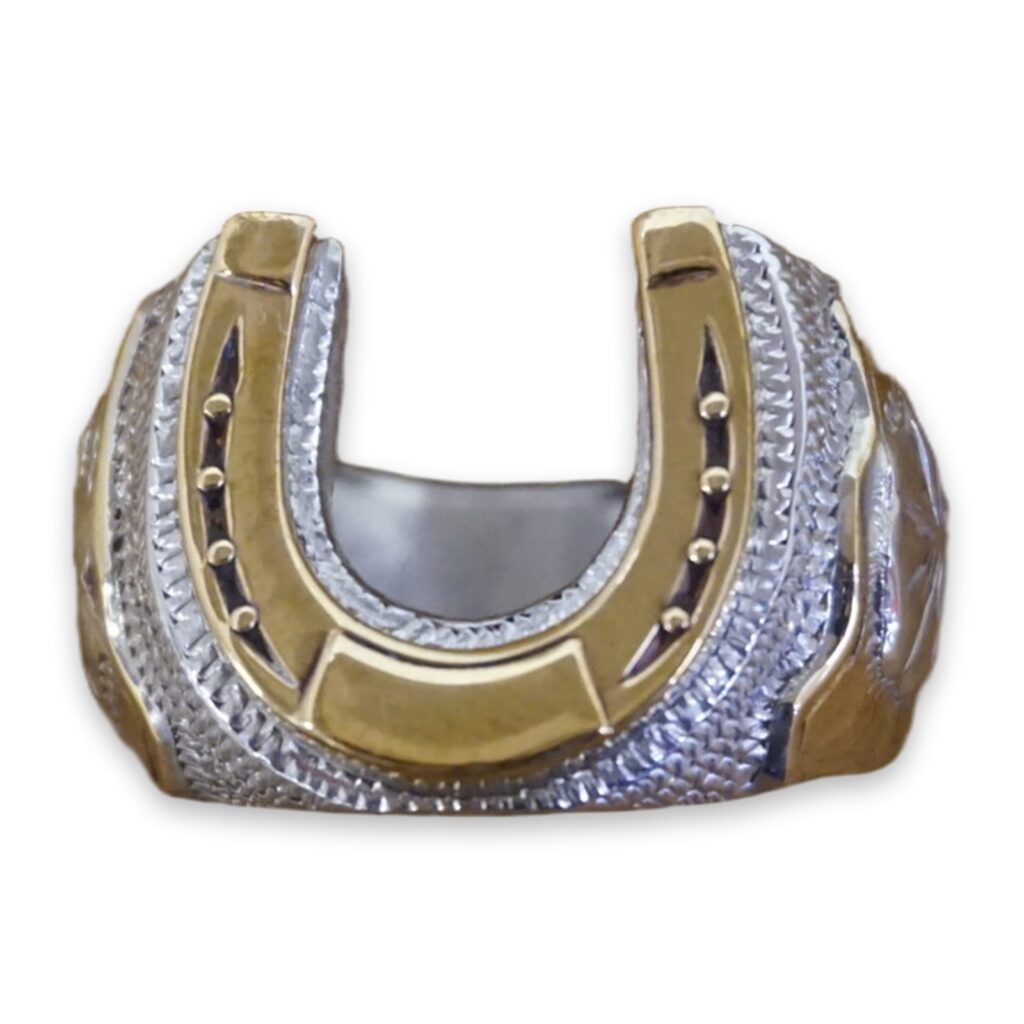
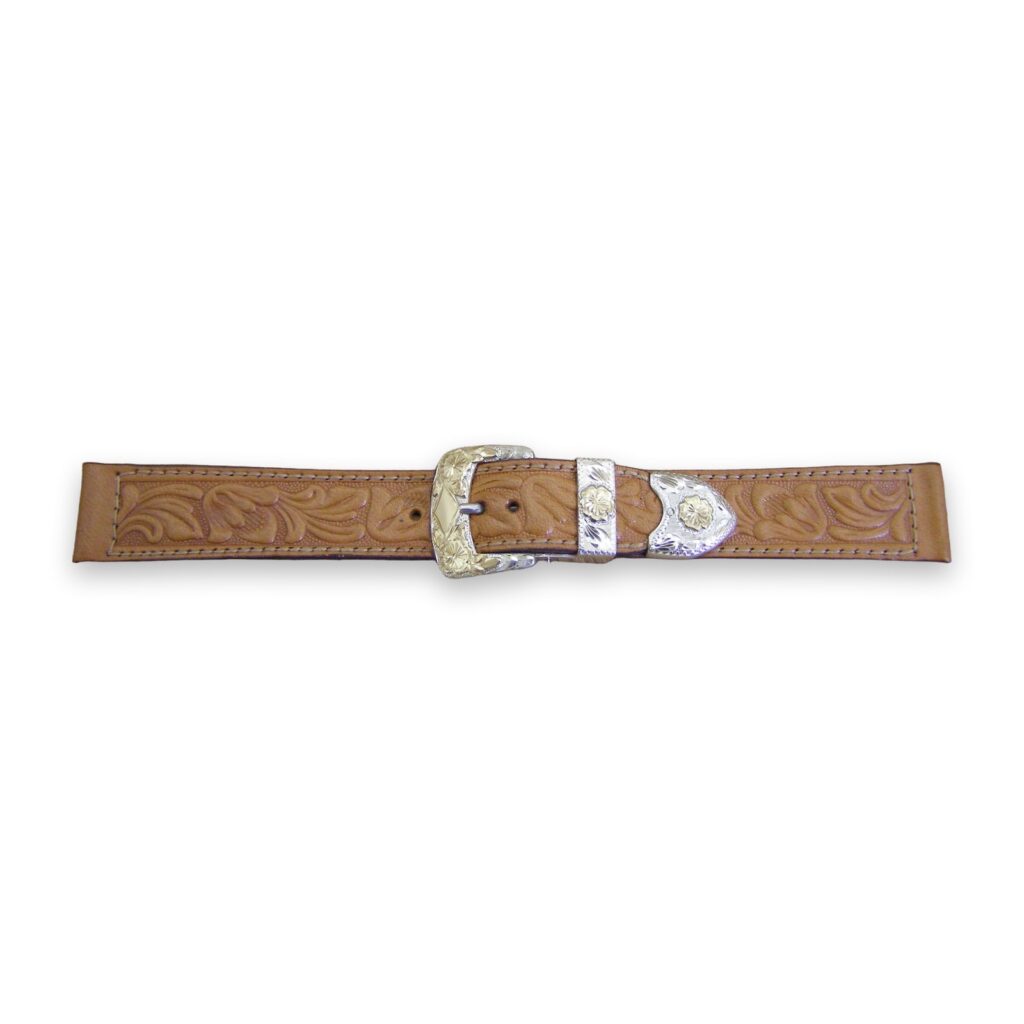
Through the 1950s and 1960s, the shop cemented its reputation for premium solid sterling silver hardware accented with 10k and 14k gold overlay. These were never mass-produced Western accessories. Every piece began as raw sheet metal and was formed, fitted, and hand-crafted at the bench.
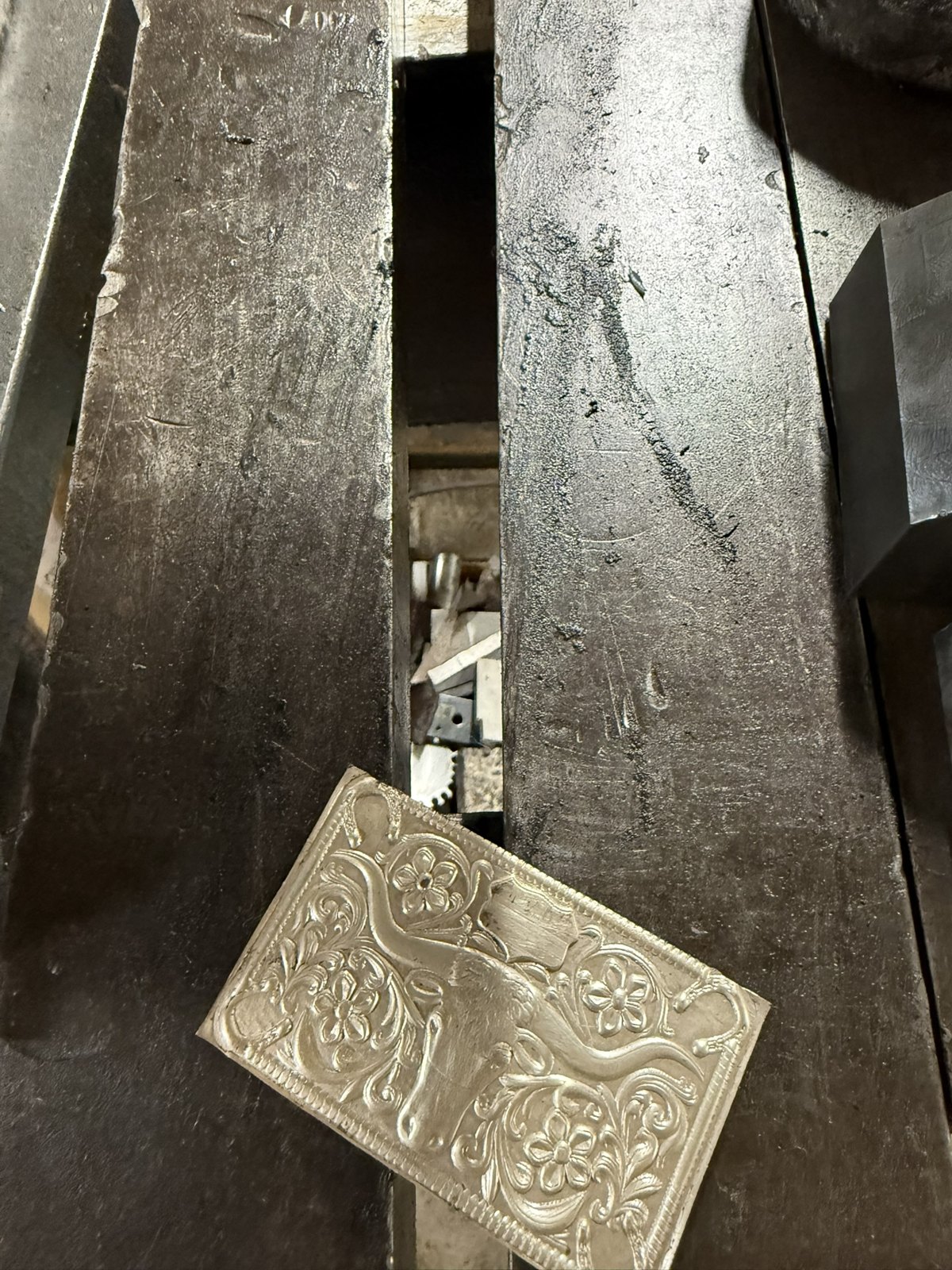
Floral scrolls, longhorns, sculpted gold accents, and rope borders became signatures of the Fritch style. Boxed ranger sets from this period remain sought-after treasures among collectors of historic Western silver.
A family business
Six children, and a shop that stayed in the family.
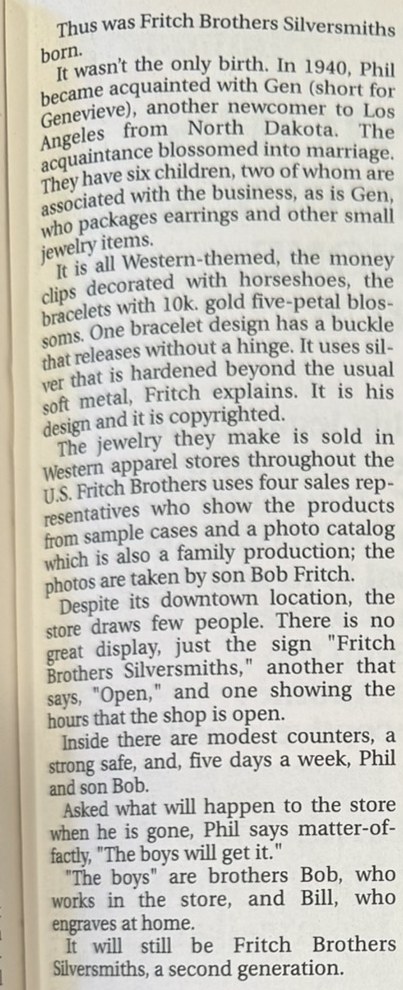
In 1940 Phil met Genevieve, known as Gen, another North Dakota newcomer to Los Angeles. They married and raised six children, and the business grew up alongside them. Gen packaged the earrings and small jewelry, and their sons Bob and Bill went on to work in the shop and at the engraving bench. Bob also took the photographs for the company’s catalog.
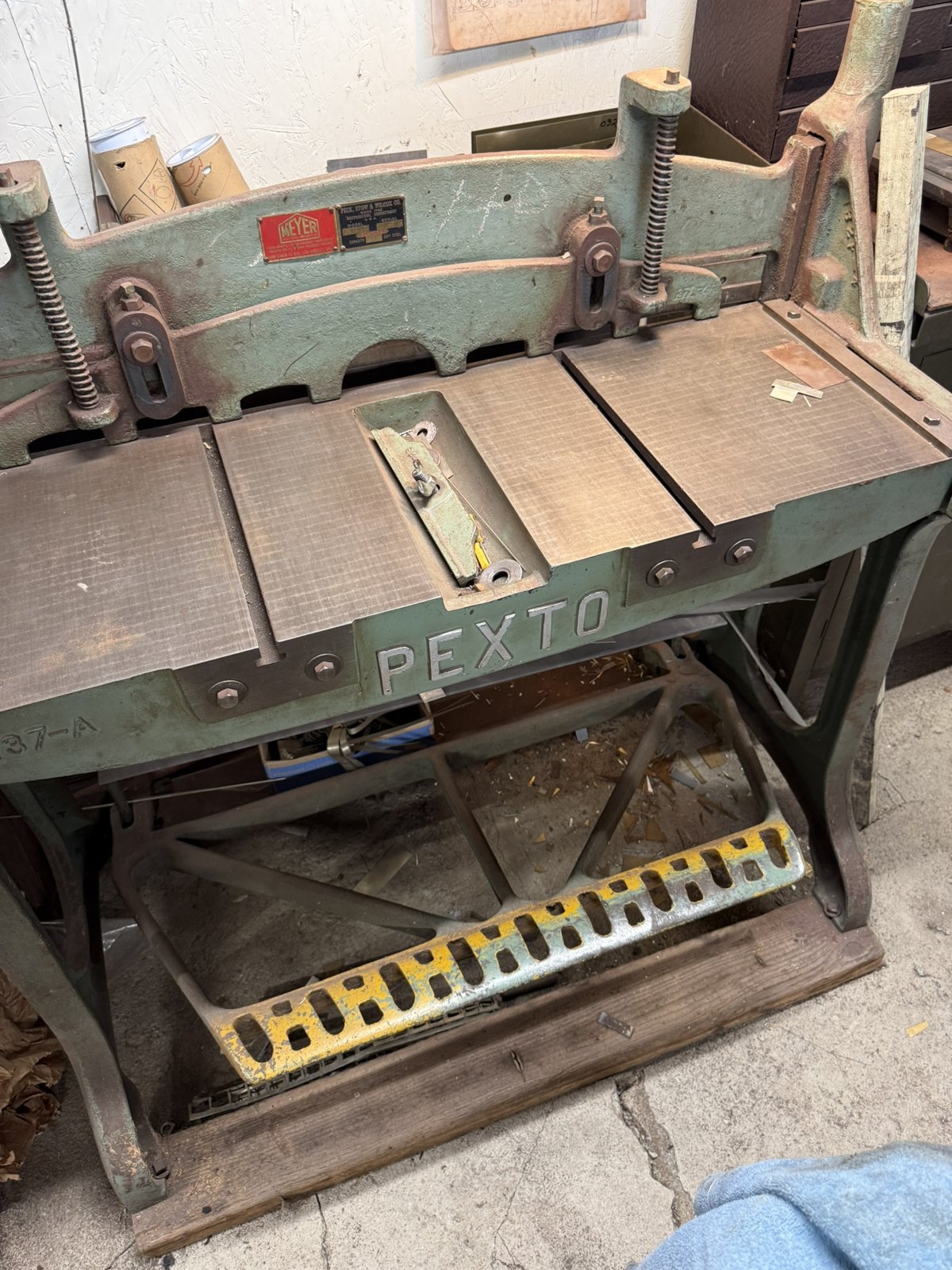
In later decades the business moved up the coast to Morro Bay, where Phil bought a downtown building in 1979. He kept using the vintage presses and dies he had bought at the start, and he insisted that every piece be hand-engraved, never plated.
“No silver plate, each piece hand-engraved.”Phil Fritch, SLO County Journal, November 2004
The third generation
The tradition continues in Atascadero, CA
Today, second-generation silversmith Robert Fritch carries the family legacy forward in Atascadero, California. He continues to forge heirloom buckles, jewelry, and custom pieces entirely by hand.
His son Jeff Fritch continues this tradition today and into the future and has become a master hand engraver
Original mid-century catalogs remain a working reference, while the methods passed down through the family still guide every stage—from shaping sterling and applying gold to engraving the final scroll by hand.
& beyond
An American Western legacy
From Silverscreen to the Autry Museum
Fritch Brothers work reached well beyond the family workshop. The company’s silver was sold in Western stores all over the country, bringing authentic California-made Western craft to visitors from around the world. Ronald Reagan was also among those known to have purchased Fritch Brothers pieces.
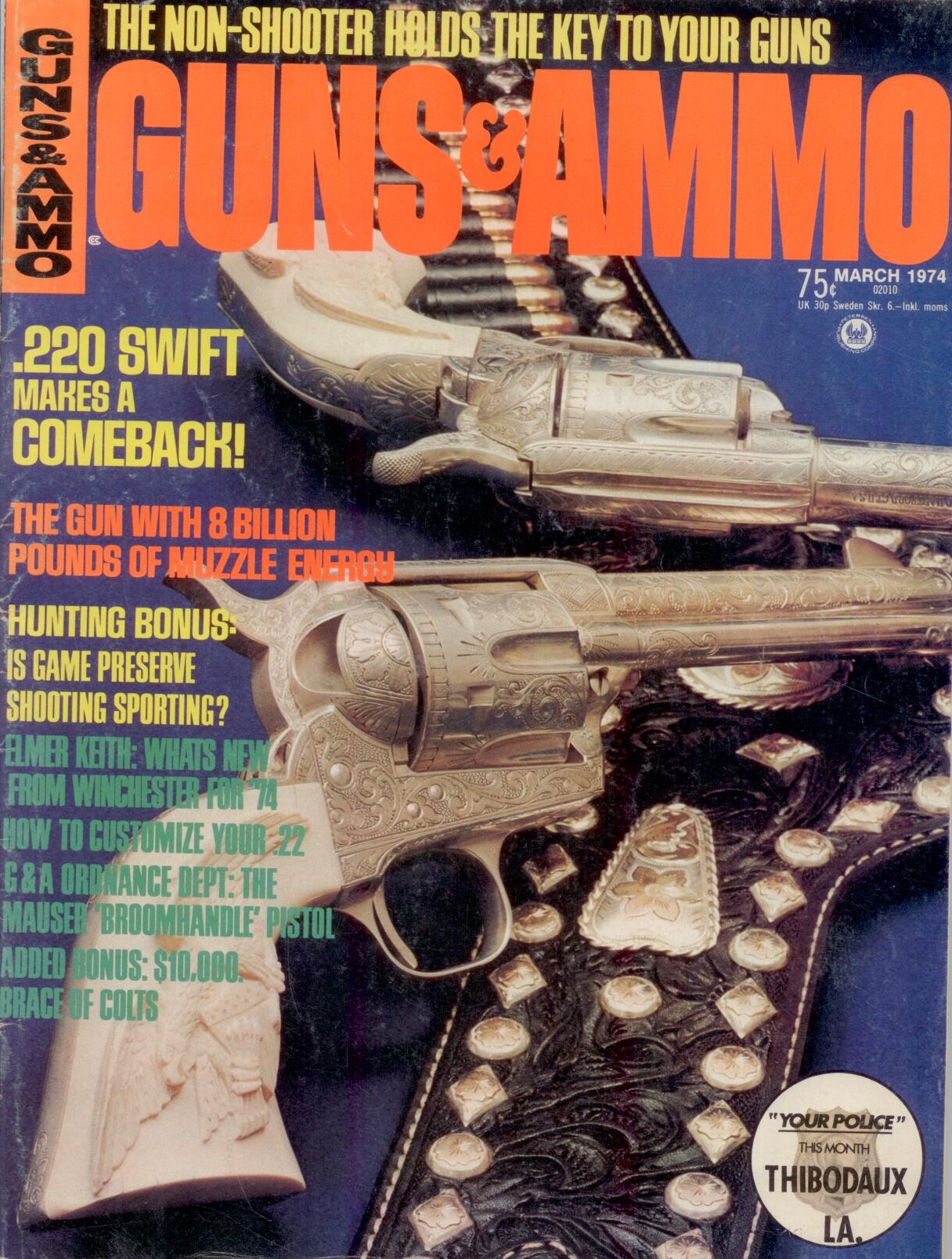
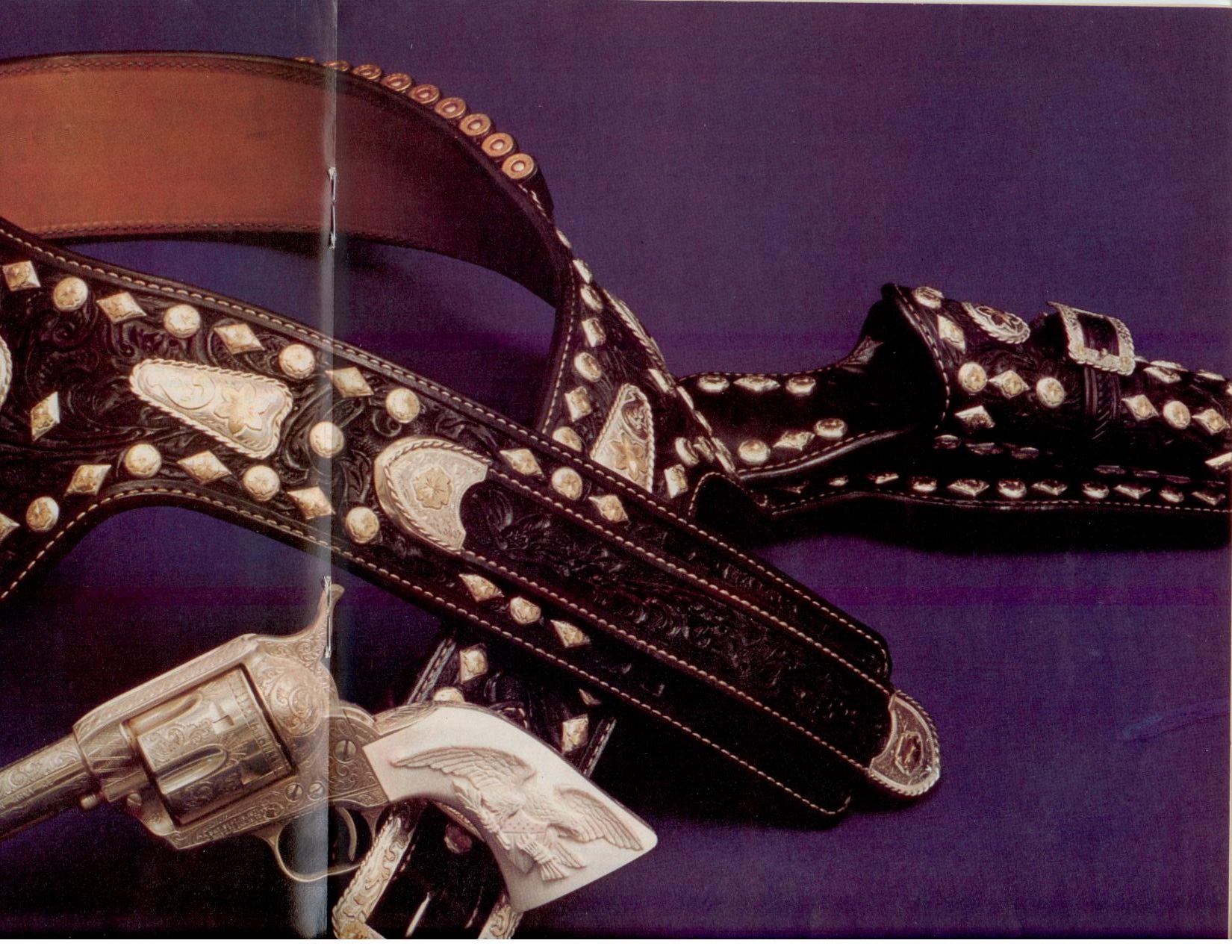
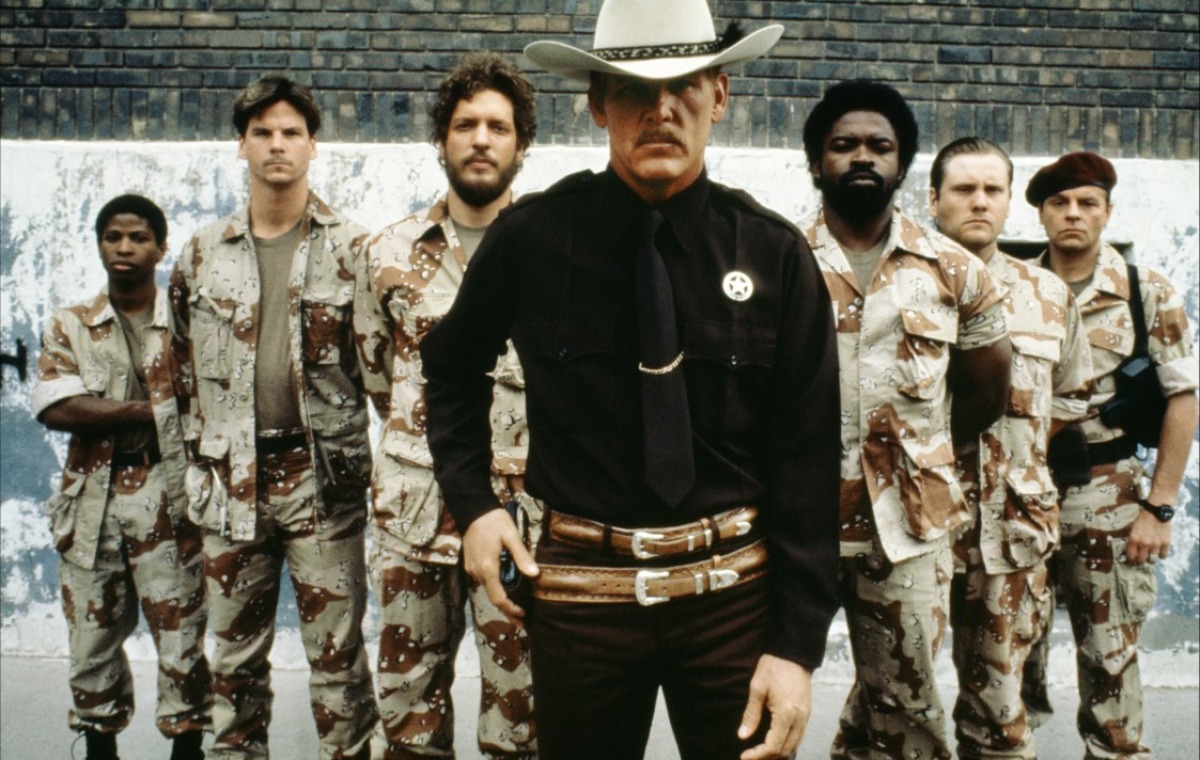
The work appeared in national media and on screen as well. A Fritch Brothers gun belt was featured in the March 1974 issue of Guns & Ammo, and Fritch Brothers buckles later appeared in the 1987 Western action film Extreme Prejudice.
There are currently several pieces of Fritch Brothers Pieces in the Autry Museum in Los Angeles, CA
From the family archive
The work, documented.
Original editorial and film imagery preserved by Fritch Brothers.
In the press
Phil Fritch, in his own time.
"Phil Fritch, Fritch Brothers Silversmiths" by Marvin Sosna, SLO County Journal, November 2004. Select a page to read it full size.
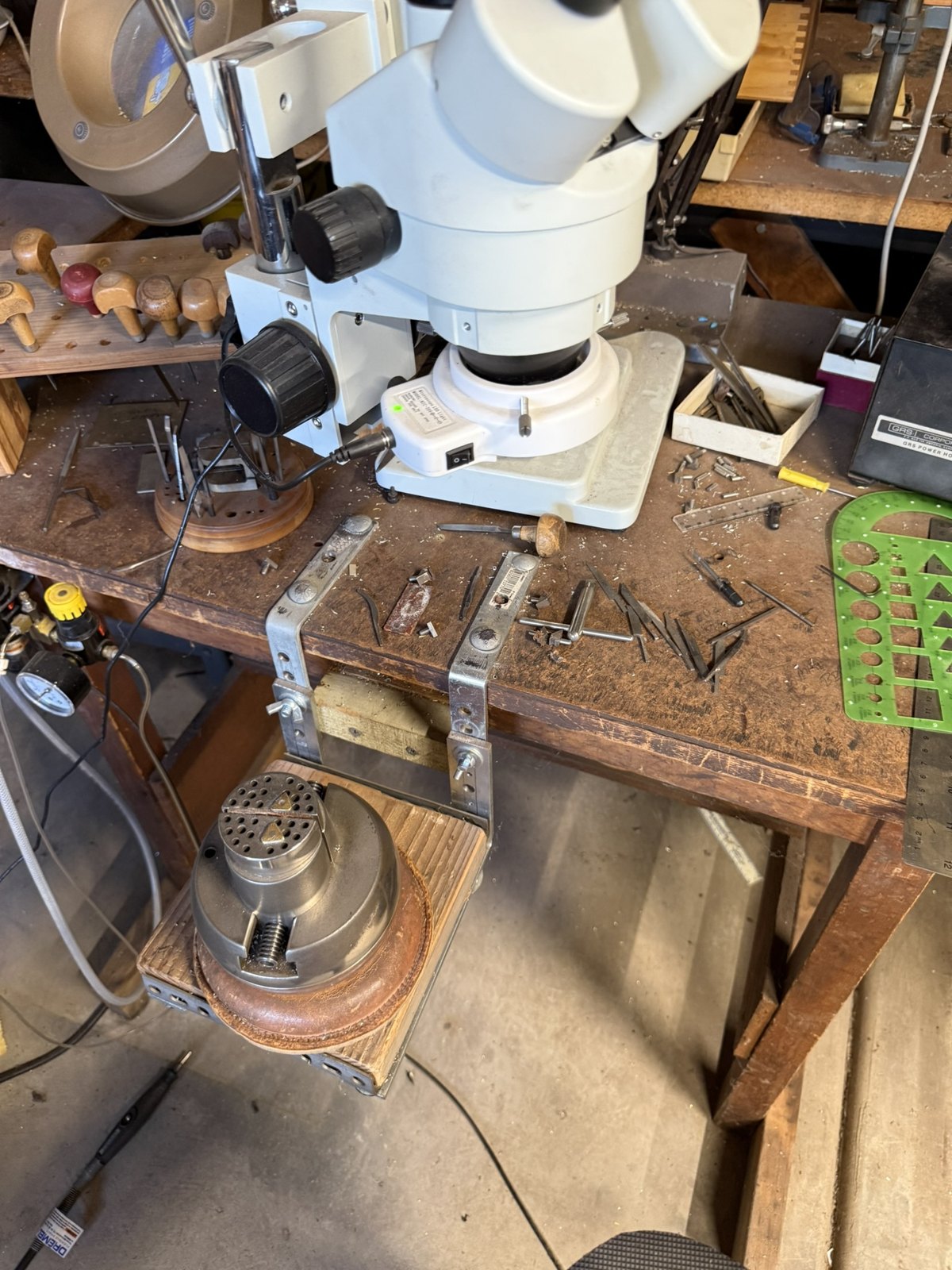
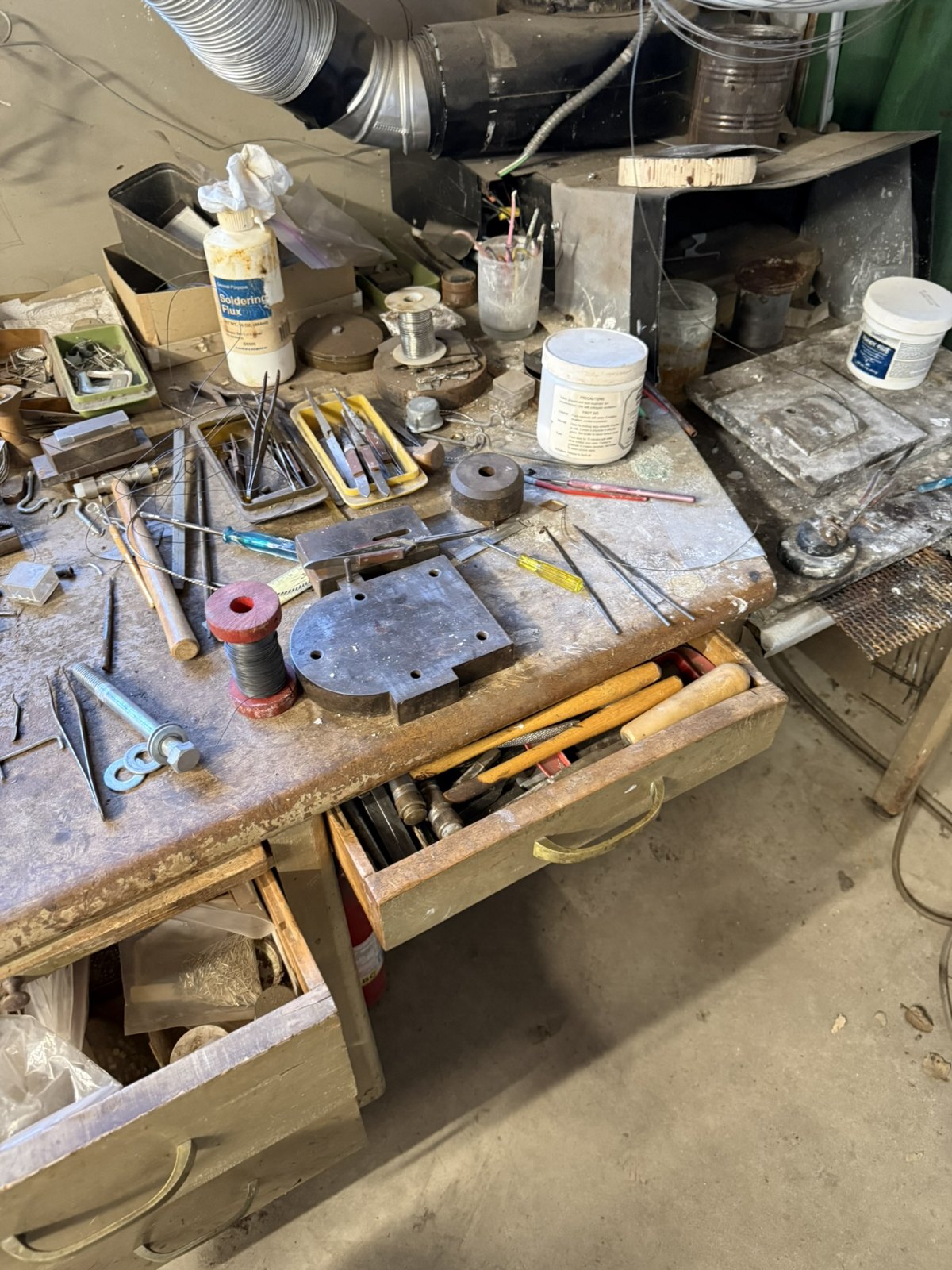
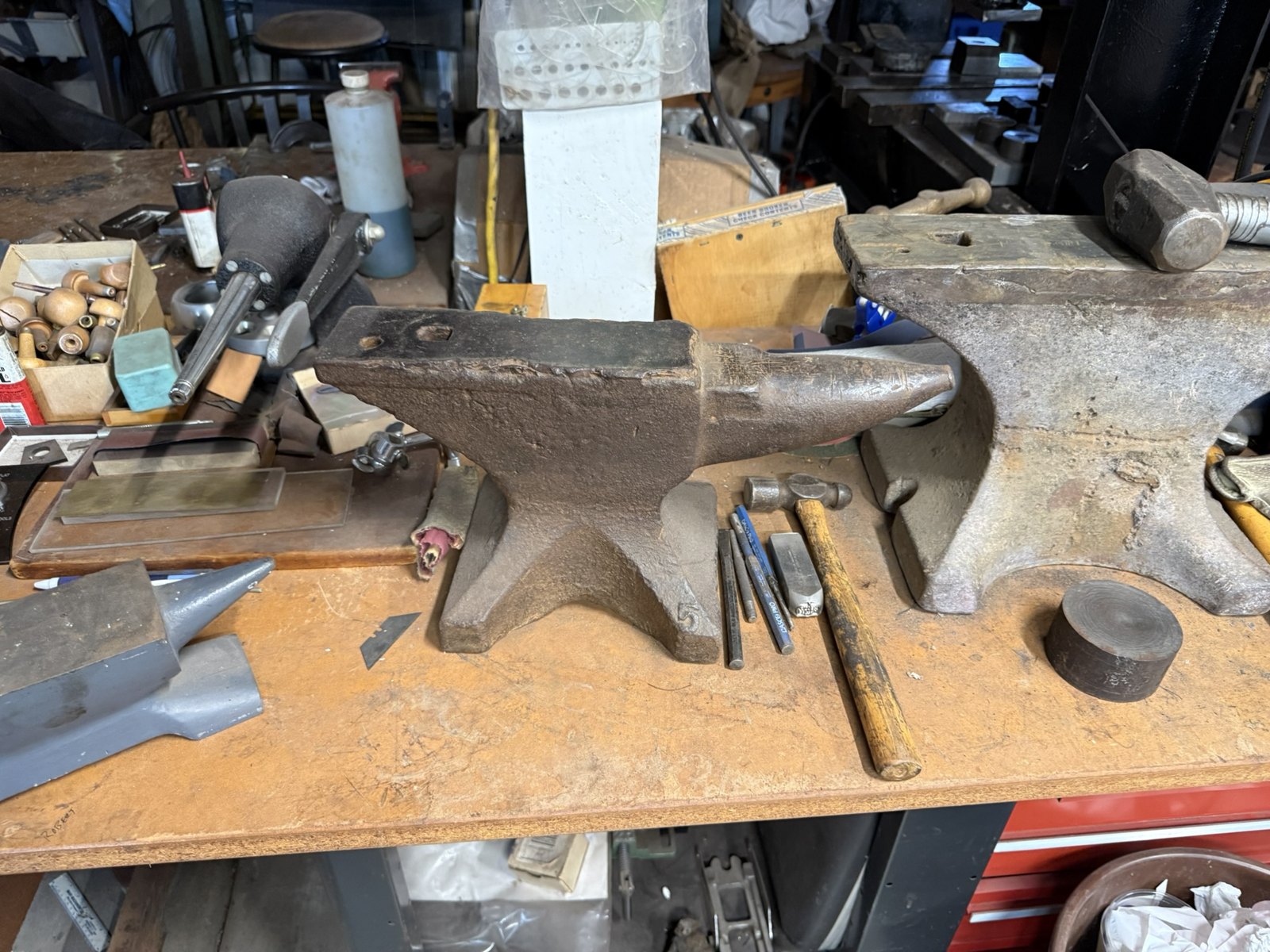
The workshop today
Same presses. Same hands.
The Fritch signature
Recognizable in the details.
- MaterialsSolid sterling silver with 10k and 14k gold accents
- MethodFormed, fitted, soldered, and engraved entirely by hand
- MotifsFloral scrolls, longhorns, stars, and hand-twisted rope borders